Years Of Expertise
With years of experience in FRP product development and manufacturing, we guarantee efficient production and quick delivery without compromising on quality.




We Are Open 24 Hours a Day, 7 Days a Week, Including Weekends and Public Holidays.



Years Of Expertise
With years of experience in FRP product development and manufacturing, we guarantee efficient production and quick delivery without compromising on quality.

Custom Solutions
We offer tailored FRP products to meet the unique needs of each client, ensuring the best fit for their specific requirements.

Premium Raw Materials
Using only high-quality materials, we ensure our products deliver exceptional strength, durability, and resistance in all conditions.

Reliable After Sales Support
Our dedicated team provides ongoing support, from installation to maintenance, ensuring a seamless experience for our customers.
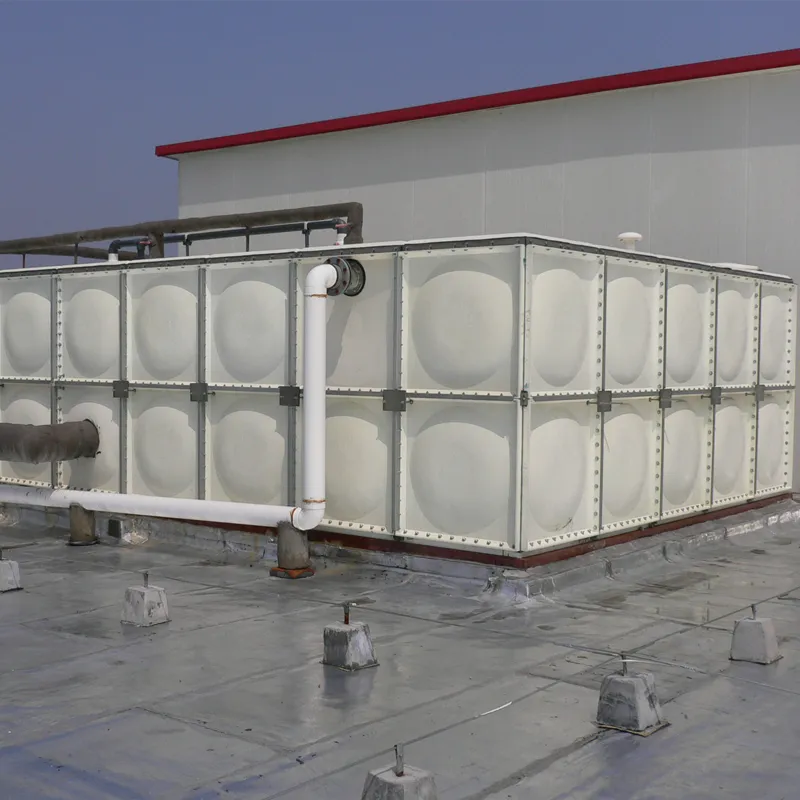
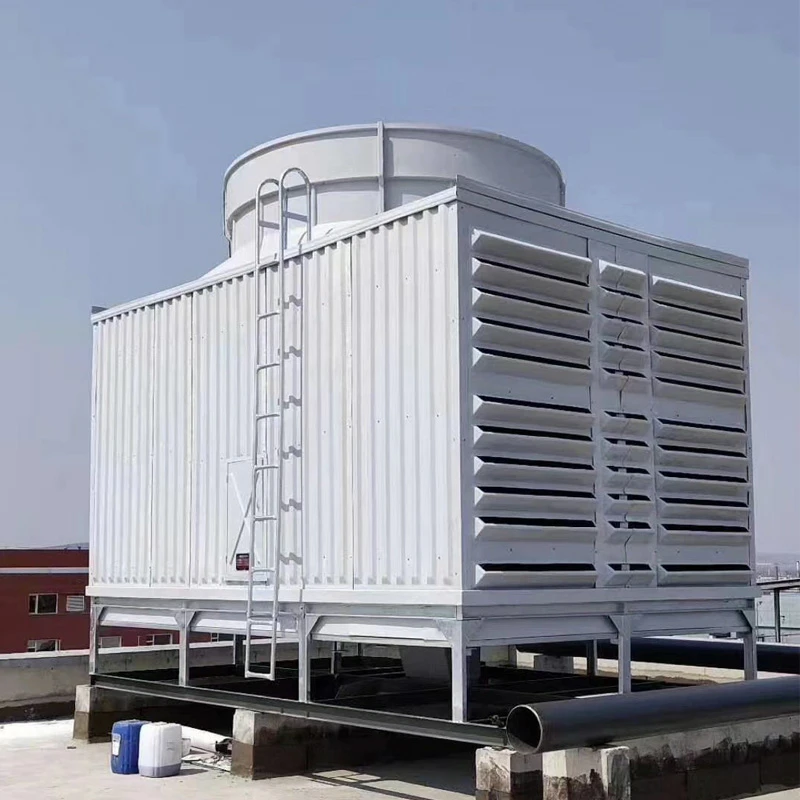
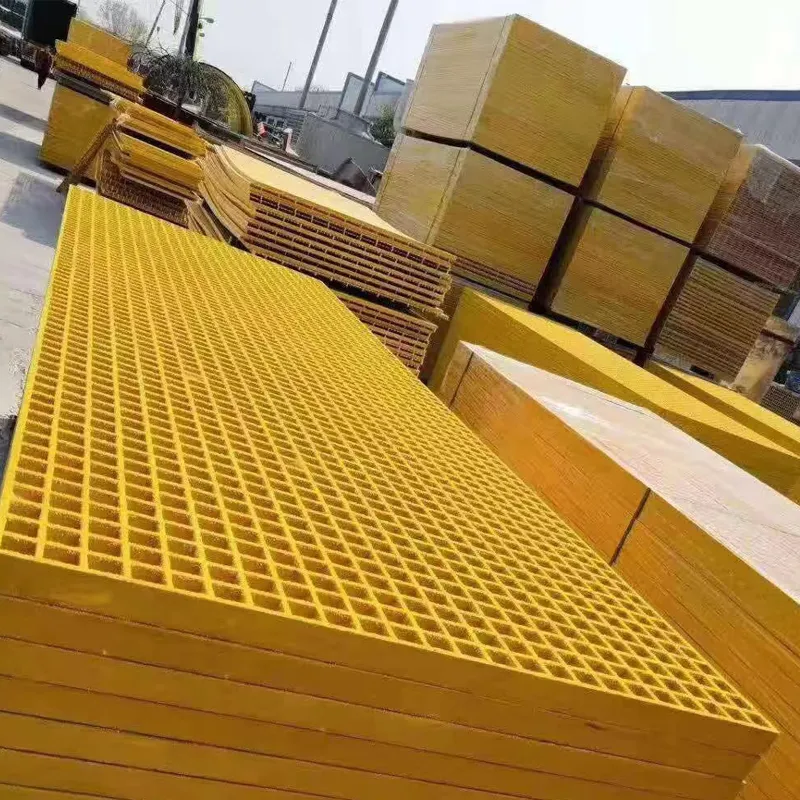
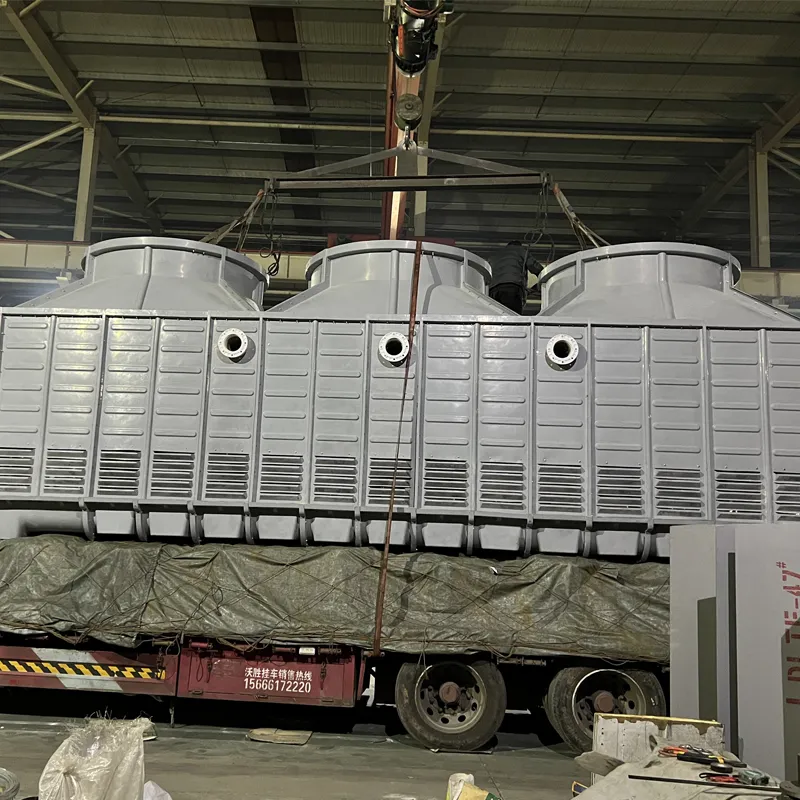
As advancements in industrial materials soar, FRP Water Tank stands out as a high-performance and reliable solution for diverse water storage requirements. This article explores the technology, manufacturing process, performance data, application scenarios, and leading vendor comparisons for the FRP Water Tank market, substantiated by real industry case studies, technical charts, and customer success feedback. 1. FRP Water Tank Industry Overview and Latest Trends Fiberglass Reinforced Plastic (FRP) water tanks have rapidly become the top choice for water storage in sectors including municipal water supply, petrochemical, metallurgy, power generation, and environmental protection. According to Fortune Business Insights, the global composite water tank market is projected to reach USD 1.45 billion by 2027, with a CAGR of over 5.8%. Among them, FRP Water Tank dominates due to its adaptability, corrosion resistance, and long lifecycle. Key Industry Trends: Adoption in water treatment, emergency water reserves, and industrial process water systems. Increasing demand for sectional & modular FRP water tanks for easy site assembly. Compliance with global standards: ISO 9001-2015 , ANSI/AWWA D121 , and NSF61 . Rise of smart monitoring systems for real-time water level/quality detection. Shift towards environmentally friendly, lightweight, and recyclable solutions. 2. Technical Specifications & Parameter Comparison The FRP Water Tank is constructed from high-performance glass fiber and food-grade unsaturated polyester resin, ensuring excellent mechanical strength and safety for potable, process, and firefighting water. Its modular design enables custom capacity, from 0.125m³ to above 5000m³. Parameter FRP Water Tank Steel Water Tank Concrete Water Tank Material High-strength fiberglass + unsaturated resin Stainless/galvanized steel Reinforced concrete Corrosion Resistance Excellent (Acid, alkali, salt) Poor to medium Medium, depends on lining Weight 1/4 to 1/8 of concrete Medium Heavy Service Life ≥30 years 15-20 years ≥20 years Compliance ISO 9001, AWWA, NSF61 ANSI, NSF61 ISO, Local building code Capacity Range 0.125-5000+ m 3 1-600 m 3 >10 m 3 Thermal Performance Excellent insulation Poor Good Installation Modular/fast Heavy lifting/long Complex site work 3. Manufacturing Process of FRP Water Tank Below is a detailed step-by-step flow for the FRP Water Tank manufacturing process: Raw Material Preparation Select premium glass fiber, unsaturated polyester resin, and food-grade additives. Panel Molding Use SMC (Sheet Molding Compound) compression molding press for uniform panel forming. CNC Edge Processing CNC machines trim and drill, ensuring precision and airtightness. Assembly Modular connection with food-grade silicon sealing gaskets, hot-dip galvanized bolts. Quality Inspection Pressure/leakage tests, ISO/ANSI compliance check. Packaging & Delivery Protective packaging, rapid logistics to destination. See Video: Complete FRP Water Tank Manufacturing Process 4. Core Material & Quality System Resin: Food-grade unsaturated polyester or vinyl ester, ensuring non-toxicity and high chemical resistance. Glass Fiber: Multi-axial E-glass, enhancing tensile (>90MPa) and impact strength while reducing weight. Surface Treatment: UV-resistant, anti-algae inner coating, prolonging service life in outdoor or harsh environments. Quality Control: Each tank complies with ISO 9001:2015 & AWWA D121 , batch testing for hydrostatic pressure, sealing, and microleakage. 5. Industry Applications & Case Studies FRP Water Tank is used in: Municipal fresh and firefighting water storage (city waterworks, high-rise buildings) Stone/iron/steel metallurgy process water, coolant reserves Refineries, chemical plants (acid/alkali/saline environment) Food, beverage & pharmaceutical water storage (potable and process water per NSF61 ) Rainwater harvesting, agricultural irrigation, hotel/residential complexes, data centers Typical Case Study: China National Petroleum Corporation (CNPC) Refinery Project (2022): FRP sectional tanks totaling 1500 m 3 for fire and soft water storage High chemical resistance, maintenance-free over 31 months Outperformed steel tanks by reducing annual operational costs by 28%, confirmed by on-site inspection reports 6. Key Technical Parameters of FRP Water Tank Standard Technical Index: Item Specification Tensile Strength ≥90 MPa Flexural Strength ≥150 MPa Thermal Conductivity 0.25-0.35 W/m.K Water Absorption (24h) < 0.1% Max Operating Temp --40°C ~ 65°C Leakage Rate Zero under working pressure Panel Thickness 5mm, 8mm, 10mm, 12mm, 15mm, 16mm (customizable) Lifespan ≥30 years (per ISO test data) 7. FRP Water Tank Vendor Comparison When choosing a FRP Water Tank supplier, compare: Manufacturing Process Control : SMC hot-press forming for homogeneous structure, superior to hand lay-up. Certification & Quality : Adherence to ISO, ANSI, AWWA D121 standards ensures reliability for high-end engineering projects. Customization : Flexible design for dimensions, access manholes, and nozzles as per project specifications. After-sales Support : Local installation, technical manuals, and 7x24h technical backup. Lifecycle Service : Warranty up to 10+ years; full record for quality traceability. Cost Comparison : FRP tanks typically save 20–40% lifetime costs compared to traditional tanks, verified by third-party audits ( NACE data ). 8. Custom Solutions FRP Water Tank offers diverse customization: Panel thickness selection: 5–16mm depending on water pressure and site conditions. Capacity modularization: 0.125 m 3 – 5000+m 3 , tailored for cubic, rectangular, or L-shape layouts. Insulation: One-layer/three-layer design (FRP+FOAM+FRP) for warm/cold regions. Special requirements: Anti-bacterial inner surface, explosion-proof, anti-static construction. Nozzle, manhole, ladder, overflow, drain, float valve—custom fabricated per engineering drawings. Delivery Cycle: Standard sizes: 7–10 days Customized, large-scale projects: 2–4 weeks. Warranty: 5–10 years depending on application and maintenance commitment. 9. Application Gallery 10. Professional FAQ: FRP Water Tank Technical FAQ Q1: What is the main material used in FRP Water Tank ? A1: It is made from high-quality E-glass fiber and food-grade unsaturated polyester or vinyl ester resin, reinforced with SMC technology for enhanced corrosion resistance and structural integrity. Q2: How do SMC, CNC, and modular design benefit water tank performance? A2: SMC (Sheet Molding Compound) yields highly uniform panels; CNC ensures precision drilling; Modular Design allows fast installation, on-site adjustments, and easy capacity expansion. Q3: What are the typical thickness options for FRP Water Tank panels? A3: Common panel thicknesses range from 5mm, 8mm, 10mm, 12mm, 15mm to 16mm. Thickness depends on tank height, installation location, and hydrodynamic pressure. Q4: Are there global certification standards for FRP Water Tank ? A4: Yes. Core certifications include ISO 9001 , ANSI/AWWA D121 (for large water tanks), and NSF61 (for potable water). Q5: What type of sealing is used in FRP Water Tank assembly? A5: Food-grade silicon rubber gaskets are placed at the joint between panels, compressed by stainless or hot-dip galvanized bolts, ensuring zero-leakage performance. Q6: What is the expected service life of FRP Water Tank? A6: Industry test data confirms a minimum service life of 30 years with normal operation, thanks to its non-metallic corrosion-resistant structure. Q7: Can FRP Water Tank be installed in cold/freezing or very warm climates? A7: Yes, insulation layers (PU foam + FRP) can be added for thermal protection, allowing safe operation from –40°C to +65°C ambient temperature. 11. Project Delivery, Quality Commitments and Customer Support Lead time : 7–14 days for standard tanks, 2–4 weeks for custom or large-scale schemes. Quality Assurance : 100% pressure, leakage, and assembly tests before delivery. After-sales services : 7x24 technical hotline, on-site support within 48 hours, free technical documents and operation manuals. Warranty : Up to 10 years, with customer reference records and periodical inspection reminders. Reference projects : 63+ countries, with major cooperation with Sinopec, CNPC, local water companies and MEP contractors worldwide. 12. Authoritativeness & EEAT Evidence: Certifications & Cooperations Products certified by ISO 9001:2015, AWWA D121, NSF61 Long-term supply for state-owned waterworks, power plants, and Fortune 500 engineering projects Third-party test results: SGS, TÜV Rheinland, and Intertek lab reports Reference: NACE: Corrosion control in water storage industry References: [1]. Selecting the Right Material for Water Tanks (Water Online) [2]. NACE International Conference Papers [3]. Composite Structures in Water Storage (ScienceDirect)





Address
20 Xingyuan South Street, Zaoqiang County, Hengshui City, Hebei Province, China